
Research can nudge your curiosity without turning into orders. Here is how we read articles and keep wording soft enough for a tired Tuesday night. This page is general education—not a substitute for reading full studies with a trained expert when decisions affect your health.
Free general-information outline only—not personalized medical, sleep, or mental health care. Your email is handled as described in our Privacy Policy. We do not guarantee outcomes.
When a headline says people “slept better,” ask who was in the study, how long it ran, and what actually changed. A week in a college dorm is not the same as a month in a family home. We borrow simple ideas—like a steady wake time or less late caffeine—only when they are easy to turn into plain checklist lines.
We do not turn “this showed up together in data” into “you must do this.” If a paper links late screens with self-reported sleep quality, we might suggest trying earlier dimming as an experiment—not because we promise a result, but because you learn what fits your life.
Good lines describe something you can see yourself do. Instead of “optimize circadian rhythm,” try “open blinds within an hour of waking” or “dim the living room after dinner.” Those lines nod to light-timing research but still make sense after a long workday.
Try one research-inspired idea per month. January could be morning light; February could be a caffeine cutoff. Slow change keeps you from stacking ten untested habits at once.
Turn what you decided during the day into lines you can read when you are tired—without turning the page into a science abstract.
A checklist is a small stage, not a diary: each line needs an action you can do while the kettle cools.
Insights start messy—in notes, voice memos, margins. That mess helps you think, but the card by your bed cannot hold every detail at night. Moving a takeaway onto the list means shrinking it into movement. During a calm five-minute review, circle what surprised you: a stuffed afternoon, easier reading after a walk, relief when the kitchen closed early. Each circle becomes a line that starts with a verb. If it still sounds like a book title, split it so one moment covers dim, rinse, lay out clothes, or writing tomorrow’s worry on paper before you brush.
Say each new line out loud once. If you trip on big words, shorten until a friend could nod without a dictionary. You are not proving you read a study; you are writing a script for a home that runs late sometimes. If two takeaways compete, try the gentler one first—you can add more later if life stays steady.
“Optimize evening circadian alignment.”
Dim the living room at 8:30 p.m.
Keep the bottom row for new ideas: let them live there about a week before they become a fixed line. When a line no longer fits your week, drop it as a lesson learned—not a failure—because empty space on the page is okay.
We do not diagnose, treat, or cure health conditions. We do not promise a set number of hours of sleep or a certain mood. A checklist is not a replacement for care from a licensed professional. We only share simple planning ideas and general education so you can try small changes in a careful way.
If a brand says their routine “always works,” be careful. Sleep ties together your body, feelings, and surroundings. A list can help with the small parts you control day to day; doctors and therapists handle what needs real training or treatment.
Sometimes we host small group calls about how to read a study headline without stress. Bring a confusing headline and we will talk through simple questions to ask the article. The point is to feel steadier, not to bash science—research can still help when it is messy.
Session notice: calls are informal adult education, not medical or mental health treatment. They are not for emergencies.
Calls are relaxed, Pacific Time, and kept small so people can talk. We usually do not record; if that changes, we will say so up front and update our Privacy Policy.
For more dates, see upcoming sessions on the home page or email us through Contact us if you want a calendar invite.
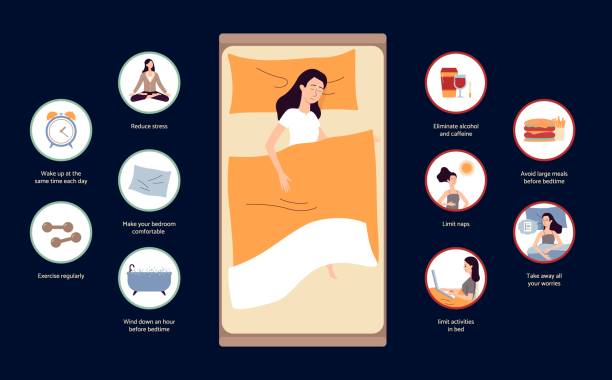
Articles can give you ideas; your checklist turns them into something you can actually do when the lights are low. Add one line at a time, try it for a week, then change it if you need to.
Learn more